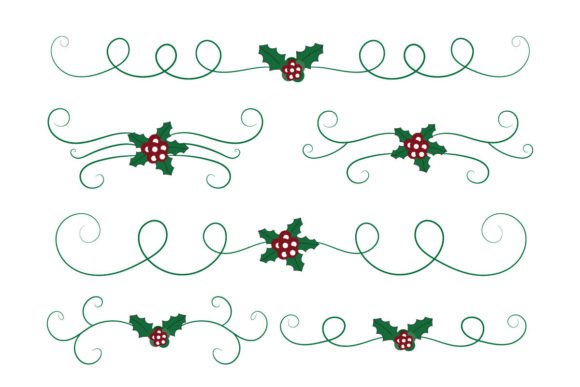
Reviewing Christmas Flourish Swirl Holly Ornaments
As a designer who spends more time staring at stitch simulations than actual fabric, I have developed a keen eye for what works in the hoop and what looks pretty on screen but fails in production. When I first pulled up the Christmas Flourish Swirl Holly Ornaments file, my initial reaction was one of cautious optimism. Holiday designs are a saturated market, filled with generic snowflakes and blocky Santa figures. Finding a piece that balances traditional festive imagery with elegant, modern flair is rare. This design, categorized under Decorative Elements, promises a sophisticated touch, but does it hold up under the needle?
First Impressions: Elegance Meets Festivity
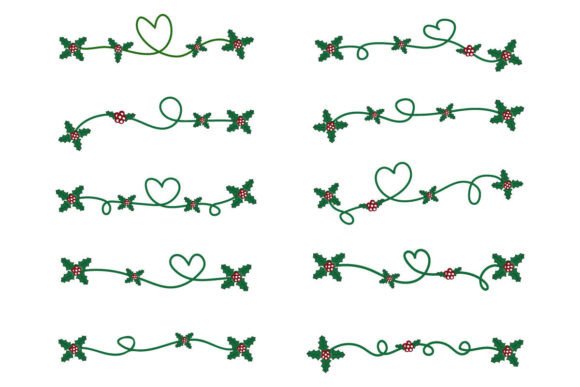
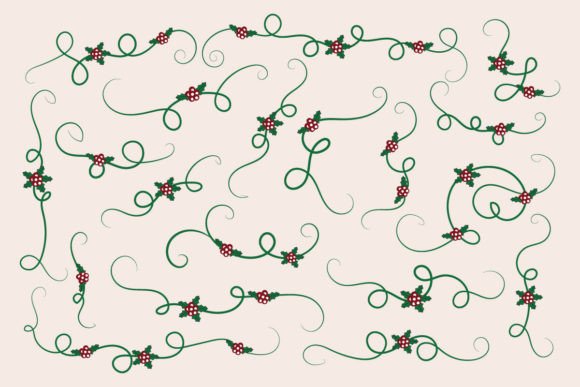
The visual personality of this design is immediately distinct. It avoids the cluttered, over-stitched look that plagues many holiday files. Instead, it relies on fluid lines and organic shapes. The swirls suggest movement, while the holly elements ground the design in classic Christmas iconography. For an embroidery project, this balance is crucial. Too much detail in a small space leads to thread breaks and bird’s nests; too little detail looks cheap. This design seems to hit a sweet spot, offering enough complexity to look premium without demanding impossible precision from mid-range home machines.
The mood it creates is warm yet refined. It feels less like a cartoonish holiday greeting and more like a boutique label you might find on a high-end candle or a linen napkin set. This distinction matters immensely when you are positioning your handmade product. If you are aiming for a rustic, cozy vibe, this might need adjustment. But for modern minimalists or luxury-focused buyers, the aesthetic is spot-on.
Real-World Application: The Tote Bag Test
To truly evaluate a machine embroidery design, you have to imagine it on a physical object. I recently worked on a custom order for a local boutique needing holiday gift packaging alternatives. They wanted reusable tote bags that customers would keep year after year. I simulated the Christmas Flourish Swirl Holly Ornaments on a heavy canvas tote. The result was compelling.
On a textured fabric like canvas or linen, the satin stitch elements of the holly leaves popped beautifully against the weave. The swirls, likely composed of running stitch or light fill stitch, added a delicate contrast. This is where the design shines: it enhances the fabric rather than overpowering it. For an Etsy seller or small shop owner, this versatility is a major selling point. It transforms a simple $5 blank tote into a $25 curated holiday gift.
Beyond totes, I can see this working exceptionally well on sweatshirt embroidery. Placed on the left chest or as a subtle back-neck detail, it adds a touch of seasonal spirit without screaming "holiday party." It is understated enough for daily wear in December, which increases the perceived value of the custom apparel. Customers are increasingly wary of loud, single-use holiday garments. A design like this encourages repeat wear, which builds brand loyalty.
Navigating Technical Challenges
While the design is visually strong, practical application requires careful consideration of technical constraints. Embroidery is not just about art; it is about physics. Thread tension, fabric stability, and hoop size all play critical roles.
- Fabric Selection: This design likely performs best on stable, medium-to-heavy weight fabrics. On thin or stretchy materials, such as lightweight jersey or silk, the pull of the satin stitch could cause puckering. If you plan to use it on baby embroidery items like onesies, a high-quality cut-away stabilizer is non-negotiable. Do not skimp on stabilization here.
- Hoop Size and Placement: Before purchasing the digital embroidery file, confirm the available sizes. If you are working with a 4x4 hoop, ensure the design fits comfortably with room for hooping margins. For larger applications, like pillow covers or aprons, check if the file scales well. Scaling up too much can expose gaps in stitch density, while scaling down too much can merge fine details into a solid blob of thread.
- Thread Color Contrast: The success of this design hinges on color choice. Traditional red and green is safe, but consider metallic gold or silver threads for the swirls to elevate the luxury feel. Test your thread colors on scrap fabric first. What looks vibrant on your monitor may look muddy on dark navy velvet or blend in too much on cream linen.
Commercial Viability for Craft Businesses
For craft business owners and commercial embroidery professionals, time is money. A design that stitches out cleanly the first time is worth its weight in gold. The Christmas Flourish Swirl Holly Ornaments appears to be optimized for efficiency. The lack of excessive dense fill areas suggests a reasonable stitch count, which means faster production times. This is vital during the holiday rush when every minute counts.
Furthermore, this design serves as an excellent asset for creating printable mockups and digital product previews. Its clean lines render well in photos, helping online sellers create compelling listings. Whether you are selling finished products or licensing the design itself, the professional appearance builds customer trust. Buyers can instantly recognize the difference between a amateurish, jagged stitch-out and a polished, professional finish.
However, always verify the license terms. If you are an Etsy seller planning to sell items made with this design, ensure the creator allows commercial use. Some designers restrict the number of physical items you can sell, while others offer unlimited commercial rights. Clarity here prevents legal headaches down the line.
Final Verdict and Designer Notes
In my assessment, the Christmas Flourish Swirl Holly Ornaments is a strong contender for any holiday collection. It bridges the gap between traditional festivity and modern design sensibilities. It is not just a decorative element; it is a branding tool that can elevate the perceived quality of your handmade product.
Before you commit to a large batch of personalized gifts or small shop merchandise, follow these final steps:
- Test Stitch: Always run a test on the exact fabric you intend to use. Check for puckering, thread breaks, or registration issues.
- Inspect Details: Zoom in on the smallest swirls. Ensure they are not so fine that they will unravel after washing.
- Consider the End User: Will this design survive frequent washing? If it is for a kitchen towel or baby item, ensure the stitch density is secure and use high-quality rayon or polyester threads that resist fading.
- Mockup Variety: Create visuals showing the design on different backgrounds. Show potential buyers how it looks on both light and dark fabrics to expand your market reach.
Ultimately, this design offers a reliable, stylish solution for holiday embroidery projects. It respects the limitations of the machine while maximizing aesthetic impact. For designers and makers looking to add a touch of elegance to their seasonal offerings, this file is worth considering. Just remember: the best design is only as good as its execution. Take the time to perfect your setup, and this flourish will become a standout feature in your portfolio.