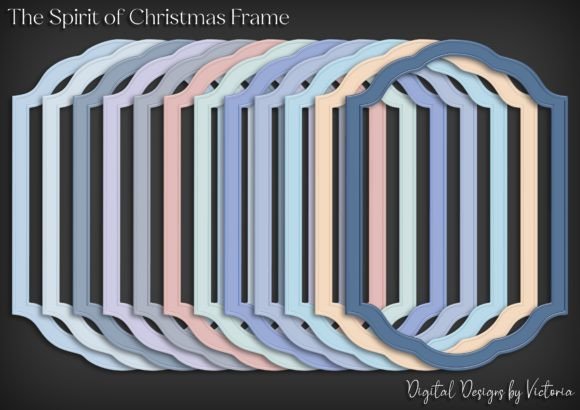
The Spirit of Christmas Frame: A Designer’s Practical Review
As an embroidery designer who has spent years digitizing and testing thousands of motifs, I approach every new machine embroidery design with a mix of curiosity and skepticism. We have all seen the flood of generic holiday graphics that look stunning on a screen but turn into a tangled mess of thread breaks and puckering on fabric. When I first loaded The Spirit of Christmas Frame into my software, I was looking for more than just festive aesthetics. I wanted to know if this design could hold up under the pressure of real-world production, whether for a high-volume Etsy shop or a one-off personalized gift.
First Impressions: Mood and Visual Personality
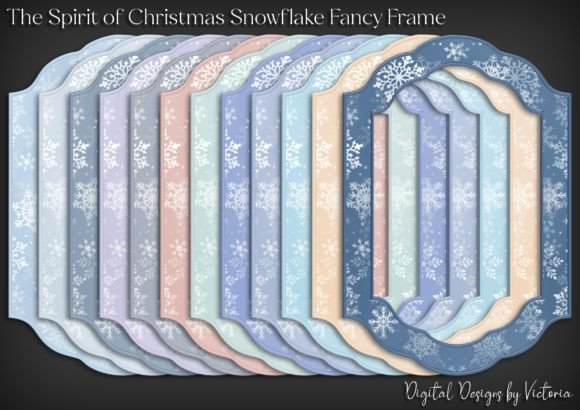
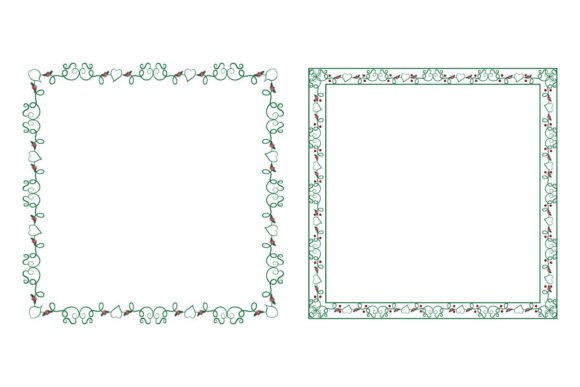
The immediate appeal of The Spirit of Christmas Frame lies in its balanced composition. It does not scream for attention with chaotic details; instead, it offers a structured, elegant border that naturally draws the eye inward. This makes it an exceptional choice for Decorative Elements where the goal is to highlight text, a monogram, or a central graphic. The mood it creates is warm and traditional, evoking the nostalgia of classic holiday decor without feeling dated.
From a layout perspective, the frame feels open and airy. Many holiday designs suffer from excessive density, trying to cram too many holly leaves or snowflakes into a small space. This design, however, respects the negative space. For a designer, this is crucial. It means the stitch path is likely optimized to reduce bulk, which is a significant advantage when working with textured fabrics or garments that need to remain soft against the skin.
Real-World Application: The Tote Bag Test
To truly evaluate an embroidery file, you have to take it out of the digital realm and put it on fabric. My test case for The Spirit of Christmas Frame was a custom canvas tote bag intended for a local boutique’s holiday merchandise line. The client wanted a design that felt premium but could withstand frequent use and washing.
I positioned the frame centrally on the bag, leaving ample room for a custom business logo in the center. The result was striking. The frame acted as a perfect vessel for branding, elevating a simple canvas bag into a desirable handmade product. The stitching clarity was impressive; the lines were crisp, and the transition between different stitch types appeared seamless. Customers are drawn to professionalism, and a clean, well-executed frame like this builds immediate trust. It signals that the maker cares about detail, which directly influences buyer engagement and perceived value.
Versatility Across Product Lines
Beyond tote bags, I envision this design performing exceptionally well in several other categories. For sweatshirt embroidery, the frame provides a sophisticated alternative to large, heavy chest logos. Placed slightly off-center or over the heart, it creates a subtle, high-end look that appeals to adult buyers who prefer understated holiday style.
For baby embroidery, such as on bibs or blanket corners, the design’s open nature is beneficial. It allows for the addition of a name or birth date within the borders without overcrowding the delicate fabric. However, caution is advised here regarding scale. Always check the dimensions to ensure the details do not become too small for tiny items, which can lead to stitching issues on stretchy knits.
Another strong use case is in embroidered patch creation. Because the design is a frame, it lends itself beautifully to cut-out applique styles or dense satin stitch borders that define the edge of a patch. This makes it a versatile asset for craft businesses looking to create modular holiday decorations that can be ironed onto jackets, hats, or backpacks later.
Technical Considerations and Fabric Challenges
While The Spirit of Christmas Frame is robust, no design is universal. There are specific scenarios where you must proceed with care. If you are working with thin fabric like silk or lightweight rayon, the stitch density becomes a critical factor. Even a well-digitized frame can cause puckering if the stabilizer is not chosen correctly. I strongly recommend using a cut-away stabilizer for garments that will be washed frequently, as it provides long-term support that tear-away stabilizers cannot match.
Curved surfaces present another challenge. Applying this frame to a cap or hat requires careful hooping and potentially resizing the design to fit the curved panel without distortion. The corners of the frame, if they feature sharp angles or intricate detailing, may pull or gap on highly textured fabrics like terry cloth or heavy fleece. In these cases, running a test stitch on a scrap piece of the exact same material is non-negotiable. It saves time, thread, and frustration.
Dark fabrics also require strategic planning. If the design relies on fine running stitch details for texture, these may disappear against black or navy backgrounds. To maintain visual appeal, consider using lighter thread colors for contrast or adding a subtle underlay to boost visibility. Testing the design in a black-and-white mockup before stitching can help you identify potential contrast issues early in the process.
Enhancing Brand Consistency and Value
For Etsy sellers and small shop owners, consistency is key to building a recognizable brand. The Spirit of Christmas Frame offers a cohesive look that can be adapted across various products. Whether used on kitchen towels, pillow covers, or aprons, the consistent visual language helps customers recognize your work. This recognition fosters loyalty and encourages repeat purchases.
Moreover, the design enhances the "giftability" of your items. A framed design looks intentional and finished, making it an ideal choice for personalized gifts. When a customer sees a name neatly enclosed within a festive border, it feels bespoke and thoughtful. This emotional connection is what drives higher price points and positive reviews in the competitive handmade market.
Practical Designer Notes for Best Results
Before you commit to a full production run, keep these practical tips in mind:
- Test on Scrap Fabric: Always stitch out the design on the actual fabric you plan to use. This reveals any tension issues or density problems.
- Check Stitch Density: Review the design in your software. If areas seem overly dense, consider adjusting the settings or using a heavier needle to prevent thread breaks.
- Confirm Hoop Size: Ensure the design fits comfortably within your hoop with enough margin for proper clamping, especially for larger frames.
- Inspect Small Details: Zoom in on the digital preview. Are there tiny elements that might not stitch out cleanly? Simplify if necessary.
- Licensing Verification: If you plan to sell finished items or use this as a digital embroidery file in a bundle, confirm the license terms. Respect intellectual property rights to protect your business.
- Stabilizer Selection: Match your stabilizer to your fabric. Use cut-away for knits and stretchy materials, and tear-away for stable woven fabrics.
In conclusion, The Spirit of Christmas Frame is a reliable, aesthetically pleasing addition to any designer’s library. It balances traditional holiday charm with modern digitizing standards, making it suitable for a wide range of commercial embroidery projects. By understanding its strengths and respecting its technical limitations, you can leverage this design to create high-quality, profitable products that delight customers and elevate your brand.