Review: Christmas Robot Watercolor Clipart for Embroidery
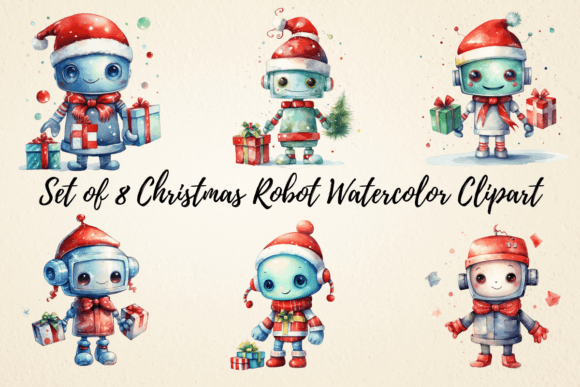
As a designer who has spent years translating digital art into thread, I have learned that not every cute illustration survives the journey from screen to fabric. When I first opened the Christmas Robot Watercolor Clipart, my initial reaction was one of cautious optimism. The aesthetic is undeniably charming—a whimsical blend of futuristic tech and nostalgic holiday warmth. But charm alone does not make a viable machine embroidery design. I needed to know if this asset could hold up under the needle, maintain its visual integrity on textured fabrics, and ultimately serve as a strong selling point for a craft business.
The Visual Personality and First Impressions
The mood of this piece is playful yet sophisticated. It avoids the harsh, rigid lines typical of standard robot clip art, opting instead for soft, bleeding edges that mimic traditional watercolor techniques. For an embroidery project, this presents both an opportunity and a challenge. The softness suggests a gentle, approachable product, perfect for baby embroidery items or cozy holiday gifts. However, watercolor effects rely heavily on subtle gradient shifts, which are notoriously difficult to replicate with thread.
In its raw form as part of the Illustrations category, the design feels light and airy. When evaluating it for real-world use, I immediately began mentally breaking down the color blocks. The robot’s metallic sheen, combined with festive reds and greens, creates a balanced palette. This is crucial for thread colors selection. If the contrast is too low, the design will look muddy from a distance. If it is too high, it loses that essential watercolor softness. The visual personality here is distinct enough to stand out in a crowded Etsy seller marketplace, provided the execution is precise.
Real-World Application: The Holiday Tote Bag Test
To truly understand the potential of the Christmas Robot Watercolor Clipart, I imagined applying it to a canvas tote bag design. This is a staple small shop product during the fourth quarter. Canvas has a visible weave, which can interfere with fine details. In this scenario, the robot’s larger shapes would likely translate well using fill stitch techniques, while the softer edges might require a creative approach, such as varying stitch angles or using lighter thread weights to simulate transparency.
Imagine a customer walking into a boutique and seeing this robot stitched onto a natural linen tote. The juxtaposition of the modern robot motif against the rustic fabric creates a trendy, eclectic vibe. It appeals to buyers looking for something beyond traditional snowflakes and reindeer. For custom apparel, such as a crewneck sweatshirt, the design would sit comfortably on the chest or back. The sweatshirt embroidery market thrives on unique, conversation-starting graphics, and this clipart fits that bill perfectly. It feels like a personalized gift that shows thoughtfulness without being overly sentimental.
Technical Considerations for Stitching Clarity
Translating watercolor art into an embroidery file requires careful attention to stitch density. If the digitizer packs too many stitches into the "wet" areas of the watercolor effect, the fabric may pucker, especially on lighter materials. Conversely, if the density is too low, the backing fabric might show through, ruining the illusion of solid color. When reviewing this design for production, I would strongly advise running test stitches on scrap fabric identical to your final material.
One critical area to watch is the transition between colors. In digital design assets, these blends are seamless. In embroidery, they are achieved through layering or blending threads. A skilled digitizer might use a running stitch outline to define the robot’s form before filling it in, ensuring the shape remains crisp even if the internal colors bleed slightly. For those considering this for an applique design, the watercolor style might be less effective unless the applique fabric itself has a printed gradient, which adds another layer of complexity but can yield stunning results.
Navigating Fabric and Hoop Constraints
Not every surface is friendly to this type of detailed imagery. On stretchy fabrics like jersey knits, a heavy fill stitch can cause distortion. Here, a cut-away stabilizer is non-negotiable to maintain the shape of the robot. For curved surfaces like caps, the design’s width must be carefully checked against the hoop size. If the robot is too wide, it will wrap around the curve and distort visually. In such cases, scaling down the design or choosing a flatter placement area is essential.
Dark fabrics present another hurdle. Watercolor styles often rely on white space or light tones to create brightness. On black or navy fabric, you may need to add an underlay or even a white base layer to ensure the thread colors pop. Without this step, the vibrant reds and greens of the Christmas Robot Watercolor Clipart could appear dull and lost in the background. Always test your design in both light and dark mockups to gauge its versatility.
Commercial Value and Brand Consistency
For commercial embroidery professionals, the uniqueness of this design is its greatest asset. It allows for brand differentiation. Instead of offering generic holiday motifs, you can provide a modern, tech-savvy alternative that appeals to a younger demographic or tech-oriented clients. This enhances buyer engagement and can justify a higher price point due to the perceived complexity and artistic value.
However, professionalism is key. A poorly stitched version of this design can damage customer trust. Ensure that your machine is properly maintained, your needles are sharp, and your tension is balanced. The finished product should look clean, with no loose threads or puckering. When used in printable mockup previews for online listings, the design should be presented in high-resolution images that accurately reflect the texture of the stitches, setting realistic expectations for the buyer.
Practical Designer Notes for Success
- Check Licensing: Before selling any handmade product featuring this art, confirm the license terms. Ensure you have commercial rights for physical goods and digital products.
- Test Stitch Density: Run a sample on your intended fabric. If the fabric pulls or puckers, adjust the density or change your stabilizer.
- Contrast is King: Verify that the thread colors provide enough contrast against the fabric. Use a black-and-white mockup to check value separation.
- Detail Inspection: Zoom in on small details like the robot’s eyes or buttons. These may need simplification or satin stitching to remain visible after washing.
- Hoop Size Verification: Confirm the design dimensions fit your available hoops, especially for smaller items like baby clothes or patches.
In conclusion, the Christmas Robot Watercolor Clipart is a versatile and engaging option for modern holiday embroidery. It bridges the gap between traditional festive themes and contemporary design trends. With careful attention to technical details like stabilizer choice, stitch density, and fabric compatibility, it can become a standout item in your craft business portfolio. Whether used for a cozy pillow cover, a stylish embroidered patch, or a custom apron, this design offers a fresh take on holiday cheer that resonates with today’s makers and buyers alike.