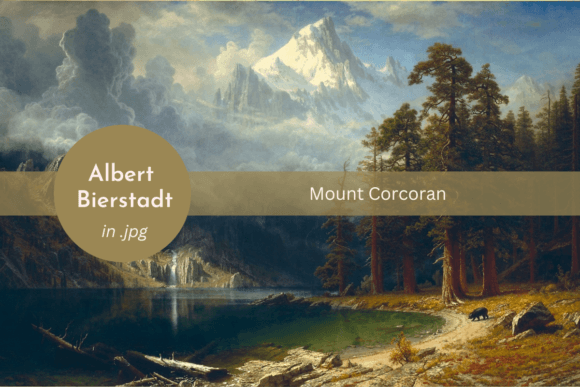
Wall Decoration: Albert Bierstadt Illustrations
As a digital publisher who has spent over a decade refining the visual architecture of content-heavy websites, I have learned that aesthetics are not merely decorative; they are functional. When I first encountered Wall Decoration, Albert Bierstadt Arts, my immediate reaction was not just about the beauty of the image, but about its utility in a modern editorial workflow. In an era where reader attention spans are shrinking and visual competition is fierce, having access to high-quality graphic design assets that convey authority and timeless elegance is a significant advantage.
This review explores how this specific collection of Illustrations can be integrated into real-world publishing scenarios, from blog headers to downloadable lead magnets. The goal is to determine whether these assets merely look good or if they actively contribute to better content performance, higher click-through rates, and stronger brand identity.
The Editorial Mood and Visual Authority
The first impression of Wall Decoration, Albert Bierstadt Arts is one of grandeur and historical depth. The style is distinctly artistic, evoking the sublime landscapes of the 19th-century Hudson River School. For a blogger or website owner, this creates a specific editorial mood: it feels professional, educational, and deeply rooted in tradition. It is not playful or whimsical; rather, it commands respect.
This aesthetic naturally supports content niches such as travel history, classic literature, environmental conservation, luxury lifestyle, and high-end interior design. If you are running a site that values long-form journalism or thoughtful commentary, these visuals provide a backdrop of seriousness and quality. They signal to the reader that the content beneath the image is well-researched and credible. In terms of visual hierarchy, the detailed nature of these pieces draws the eye immediately, making them excellent anchors for any page layout.
Integrating Assets into Real Publishing Workflows
The true test of any digital download is its versatility across different platforms. I tested Wall Decoration, Albert Bierstadt Arts in several key areas of a standard content publishing stack:
- Blog Featured Images: The rich colors and dramatic lighting work exceptionally well as hero images. They create a strong first impression before the reader even scans the headline.
- Pinterest Graphics: Vertical crops of these illustrations perform beautifully on Pinterest. The intricate details encourage users to stop scrolling and pin the image, driving traffic back to the source article.
- Newsletter Headers: Using these assets in email marketing adds a touch of sophistication. They break up the text-heavy nature of newsletters and provide a visual breather that feels premium.
- Digital Guides and eBooks: For creators selling information products, these images serve as excellent chapter dividers or cover art. They elevate the perceived value of a digital guide or worksheet, making it feel like a curated artifact rather than a simple PDF.
- Social Media Graphics: When paired with minimal typography, these images stand out in crowded feeds. They offer a contrast to the flat, vector-style graphics that dominate Instagram and LinkedIn.
For those using tools like Canva, these files can easily be imported into a Canva template to create consistent branding across all channels. The key is to let the artwork breathe, allowing the natural complexity of the creative design to speak for itself without overcrowding it with text overlays.
Impact on Content Performance and Brand Identity
Why does this matter for your bottom line? In content marketing and affiliate marketing, trust is currency. A polished, cohesive visual presentation reduces bounce rates and increases time-on-page. By using Wall Decoration, Albert Bierstadt Arts, you are investing in a consistent brand identity that separates your site from the sea of generic stock photography.
These assets support better category recognition. If you use a specific style of illustration for your "History" or "Art" categories, readers begin to associate that visual language with your expertise in those topics. This consistency builds reader trust. Furthermore, high-quality visuals improve the perceived value of your lead magnet or free resource, increasing conversion rates for email sign-ups.
Strategic Placement and Cautionary Notes
While these illustrations are powerful, they must be used strategically. They work best in:
- Hero sections and website headers where screen real estate is ample.
- Article thumbnails that allow for some detail to be visible.
- Editorial accents that break up long blocks of text.
- Printable designs where high resolution can be fully appreciated.
However, there are contexts where you should use them carefully. Avoid using these highly detailed images as backgrounds for text-heavy blog images, as readability will suffer. They are also less suitable for small mobile thumbnails where the intricate details become muddy and indistinguishable. Additionally, if your brand relies on a ultra-minimalist, corporate, or tech-forward aesthetic, these romantic, historical styles might clash with your existing small business branding. Always ensure the visual tone aligns with your message.
Practical Publisher Notes for Implementation
Before deploying Wall Decoration, Albert Bierstadt Arts across your digital properties, consider these technical and design checks:
Test Across Devices: Preview the images on both desktop and mobile screens. What looks majestic on a 27-inch monitor might look cluttered on a smartphone. Ensure the focal point of the illustration remains clear at smaller sizes.
Typography Pairing: Experiment with different font styles. These classical illustrations often pair beautifully with serif fonts for a traditional look, but can also create interesting tension when paired with clean sans-serif or modern display fonts. Avoid overly decorative script fonts that might compete with the detail in the artwork.
File Optimization: High-resolution art files can be large. For web performance, always compress images properly without sacrificing visible quality. Slow load times can negate the benefits of beautiful visuals. Use next-gen formats like WebP where possible.
Licensing Verification: Finally, always confirm the commercial license terms. If you are using these assets on monetized websites, affiliate pages, or in paid content products, ensure you have the right to do so. Respect for intellectual property is a cornerstone of professional commercial design.
In conclusion, Wall Decoration, Albert Bierstadt Arts is more than just a pretty picture; it is a versatile tool for the serious content creator. When used with intention, it enhances editorial design, strengthens web design coherence, and elevates the overall user experience. For bloggers and publishers looking to add a layer of sophistication and historical weight to their digital presence, this asset is a worthy addition to their library of design assets.