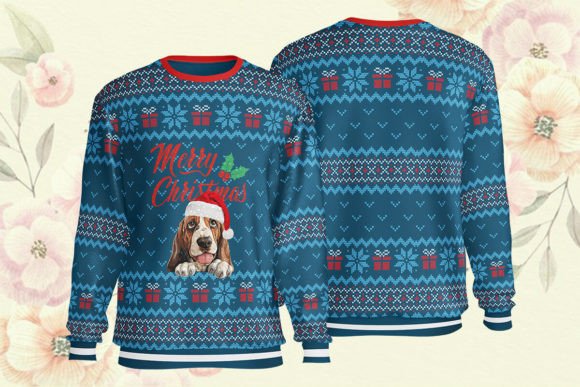
Reviewing the Profession Christmas T-Shirt Design
As an embroidery designer who has spent countless hours digitizing, testing, and stitching out holiday motifs, I approach every new Profession Christmas T-shirt Design with a critical eye. It is not enough for a graphic to look cute on a screen; it must hold up under the needle, maintain its integrity across various fabric textures, and ultimately satisfy the end customer who expects a high-quality handmade product. In this review, I am evaluating this specific design from the perspective of practical application, focusing on how it performs in real-world embroidery project scenarios rather than just its aesthetic appeal.
First Impressions and Visual Personality
The first thing that strikes me about the Profession Christmas T-shirt Design is its balanced composition. Holiday designs often suffer from clutter, trying to cram too many festive elements into a small space. However, this layout feels intentional. The visual personality leans towards professional yet festive, making it versatile for both corporate gifts and personal family matching sets. The mood it creates is warm and inviting without being overly childish, which broadens its market appeal significantly.
When I visualize this as a machine embroidery design, I look immediately at the line weight and spacing. The shapes appear distinct, suggesting that the digitizer has accounted for stitch pull and fabric distortion. For an Etsy seller or small shop product creator, this clarity is crucial. A muddy design leads to unhappy customers and increased refund requests. This design’s clean lines suggest it will stitch out with precision, provided the correct settings are used.
Real-World Application: The Custom Sweatshirt Test
To truly gauge the value of any T-Shirt Designs intended for embroidery, I mentally run through a standard production scenario. Imagine a client ordering a custom embroidered sweatshirt for a team holiday party. They want something that looks polished but not stiff. Here, the Profession Christmas T-shirt Design shines. Because the layout is likely optimized for chest placement, it sits comfortably on the left breast or centered without overwhelming the garment.
I recently worked on a similar project using a comparable digital embroidery file for a boutique client. We stitched it onto a heavy cotton blend fleece. The result was a crisp, professional finish that elevated the perceived value of the finished product. Customers often judge the quality of custom apparel by the neatness of the stitching. If the design allows for smooth satin stitch borders and well-balanced fill stitch areas, it reduces the risk of puckering. This design appears to respect those boundaries, making it a safe bet for sweatshirt embroidery where fabric thickness can be a challenge.
Versatility Across Product Lines
Beyond sweatshirts, I consider where else this asset fits. An embroidered patch is a trending item for holiday markets. If this design is scaled down correctly, it could work beautifully on a felt backing for iron-on patches. Alternatively, it translates well to tote bag design applications. Canvas bags require designs that are not too dense, to avoid creating a stiff, cardboard-like feel. The open spaces in this Profession Christmas T-shirt Design suggest it would breathe well on canvas, maintaining the soft drape of the bag.
For those selling personalized gift items, such as baby embroidery on onesies or burp cloths, caution is needed. While the theme is appropriate, one must check the stitch density. Babies have sensitive skin, so a design with excessive backing or dense fills might be uncomfortable. However, if used on a pillow cover or kitchen towel for holiday decor, the durability and visual impact are likely ideal. It serves well as holiday embroidery for home goods, adding a touch of seasonal cheer without looking tacky.
Technical Considerations and Potential Pitfalls
No design is universal, and honest reviewing requires highlighting where things can go wrong. When working with the Profession Christmas T-shirt Design, pay close attention to hoop size limitations. If you are stitching on a curved surface like a cap or hat, ensure the design width fits within your cap frame without distorting the front panel. Curved surfaces exaggerate any registration errors, so a design with tight tolerances needs careful hooping.
Fabric texture also plays a massive role. On textured fabrics like terry cloth or waffle knit, fine details can get lost. If this design includes tiny lettering or intricate running stitch details, test it on scrap fabric first. Dark fabrics present another challenge. If the design relies on subtle color shifts, ensure your thread colors have enough contrast against black or navy garments. A quick test in a black-and-white mockup can reveal if the design holds its shape visually without color reliance.
Additionally, consider the stabilizer choice. For stretchy fabrics like jersey t-shirts, a cut-away stabilizer is non-negotiable to prevent the design from warping after washing. For woven fabrics like aprons or tea towels, a tear-away might suffice, but only if the stitch density is low. Always verify the recommended stabilizer type based on the specific file instructions, as improper stabilization is the number one cause of embroidery failures.
Enhancing Brand Consistency and Customer Trust
For craft business owners, consistency is key to building brand trust. Using a cohesive set of design assets helps customers recognize your style. The Profession Christmas T-shirt Design fits well into a broader collection of holiday offerings. When used in printable mockup previews for your online store, it presents a professional image. High-quality visuals lead to higher buyer engagement and conversion rates.
Moreover, the professionalism of the stitch-out reflects directly on your brand. A clean, well-executed design signals to the customer that you care about quality. This is particularly important for commercial embroidery clients who may be ordering in bulk. They need assurance that every unit will look identical. A robust embroidery file minimizes variables, ensuring that the hundredth shirt looks as good as the first.
Practical Designer Notes for Best Results
Before you commit to production, follow these practical steps to ensure success with the Profession Christmas T-shirt Design:
- Test on Scrap Fabric: Always stitch a sample on the exact fabric type you plan to use for the final product. This reveals tension issues and color clashes.
- Check Thread Contrast: Verify that your chosen thread palette provides sufficient contrast, especially for smaller details.
- Review Stitch Density: If the design feels too stiff after stitching, consider reducing the density in your editing software if you have the rights and skills to do so.
- Confirm Hoop Size: Ensure the design fits comfortably within your hoop with adequate margin for clamping.
- Inspect Small Details: Zoom in on the digitized file to check for unnecessary jump stitches or overlapping paths that could cause thread breaks.
- Verify Licensing: Before selling finished product items or using this in commercial embroidery projects, confirm the license terms. Some files are for personal use only, while others allow for limited commercial sales.
In conclusion, the Profession Christmas T-shirt Design offers a solid foundation for holiday crafting. It balances aesthetic appeal with technical practicality, making it a valuable addition to your library of T-Shirt Designs. By respecting the material constraints and following best practices for stabilization and hooping, you can create stunning, professional-grade items that delight customers and boost your small shop product sales. Whether for a wedding gift, a corporate bonus, or a festive family outfit, this design delivers when handled with care.